New country, new road rules, and a whole new world of administrative tasks that can feel overwhelming when you’re still adjusting to a different language and culture. Depending on where you’ve moved, you’ll either exchange your home license through a relatively straightforward administrative process, or you’ll need to start from scratch and take local theory and practical driving tests. The good news? You absolutely don’t need perfect grammar or native-level fluency to pass. What you do need are clear, confident phrases for booking appointments, understanding lesson instructions, following test commands, and handling roadside situations with police or officials.
This comprehensive guide gives you a practical, language‑first blueprint for navigating each step of the licensing process. We’ll walk through everything from your first phone call to the local authority through test day and beyond, with abblino prompts, detailed phrase banks, and realistic checklists that make the entire process feel manageable and calm. You’ll learn exactly what to say, when to say it, and how to handle the unexpected moments that inevitably arise.
Important note: Licensing processes, requirements, and timelines vary significantly by country, region, and sometimes even by city. Treat this guide as language preparation and practical guidance, not as legal advice. Always verify specific requirements, document needs, and procedures with your local driving authority, embassy, or a qualified legal advisor.
Table of Contents
ToggleTL;DR: The Expat Driver’s License
Daily practice structure (15–25 minutes):
- 8–12 minutes: abblino role‑plays covering real scenarios (calling the authority to book, speaking with the test center, communicating with your instructor, handling rental desk and insurance questions)
- 3–5 minutes: Phrase review focusing on full sentences, not isolated words; mark stress patterns and natural pauses so you sound fluent and confident
- 3–8 minutes: Short input exercises → 60–90 second spoken retells (practice with instruction videos, traffic rules snippets, or driving safety guides)
Core strategy elements:
- Identify your path early: direct license exchange vs. full theory + practical testing route
- Build and save full‑sentence “chunks” organized by context tags (appointments, required documents, giving/receiving directions, test maneuvers, roadside stops, insurance conversations)
- Track tangible weekly progress: appointments successfully booked, driving lessons scheduled, one noticeably smoother 60–90 second “test instructions” retell completed
- Master the right tone: polite but direct, precise about safety, always prioritizing clarity over impressive speed or complex vocabulary
Your Complete Licensing Timeline: What to Say at Each Step
Understanding the full journey helps you prepare the right language for each stage. Here’s what most expats encounter:
1) Determine Your Licensing Path
License exchange route: If your home country has a reciprocal agreement with your new country, you may be able to exchange your current license directly. This typically involves booking an appointment with the local authority, submitting required documents, possibly taking a vision test, and waiting for your new license to be processed and issued. No driving tests required, but plenty of administrative language needed.
New license route: If exchange isn’t possible, you’ll follow the full local process: theory test preparation → passing the theory exam → booking and completing practical driving lessons → passing the practical road test. This path requires significantly more language preparation across multiple contexts.
2) Book All Necessary Appointments
Depending on your path, you may need to schedule appointments with:
- The local driving authority or DMV equivalent for initial registration or exchange
- Theory test centers (often separate facilities with specific booking systems)
- Driving schools or private instructors for practical lessons
- Practical test slots (sometimes months in advance, often heavily booked)
Each of these requires telephone or online booking language, confirmation of details, and often following up to reschedule or clarify requirements.
3) Gather and Verify Required Documents
Standard requirements usually include:
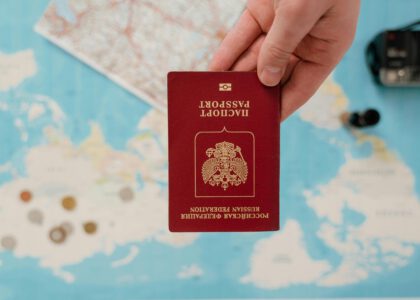
- Valid passport or national ID card
- Proof of legal residence (registration certificate, lease agreement, utility bill)
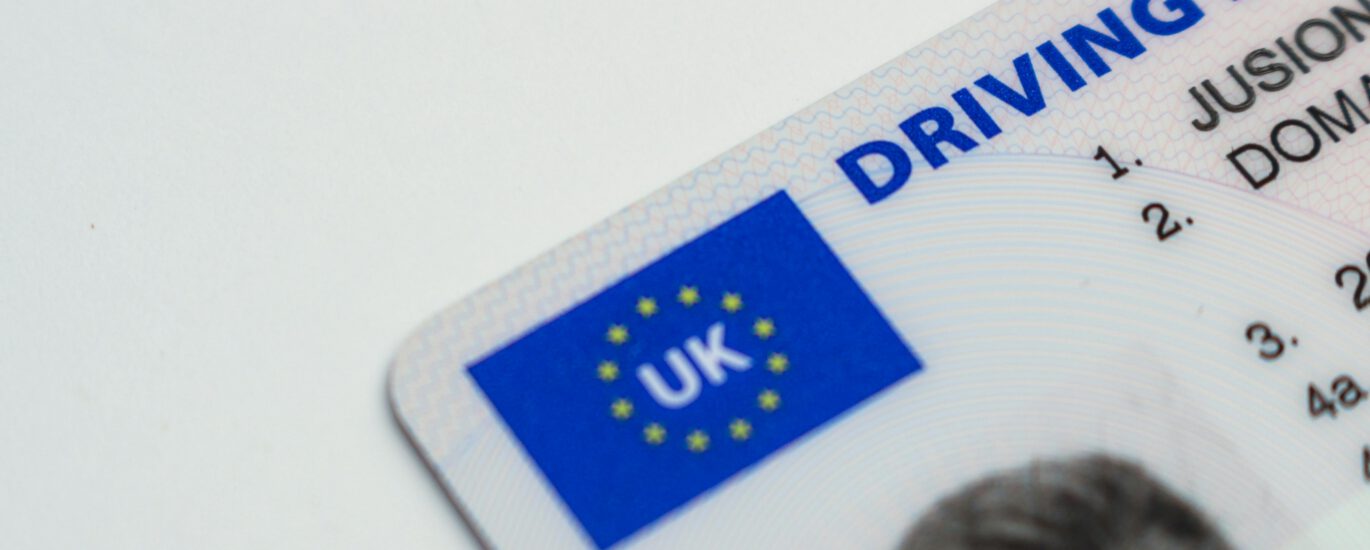
- Current driver’s license from your home country (if exchanging or proving experience)
- Passport-sized photos meeting local specifications
- Medical certificate or vision test results (requirements vary widely)
- Appointment confirmations printed or saved on your phone
- Certified translation of your current license (if required, check carefully)
- Payment method for processing fees (some offices only accept cash, others only cards)
Pro tip: Send a brief, polite email to the authority asking them to confirm the exact document list before your appointment. This single step prevents frustrating return visits.
4) Train the Specific Language of the Road
Driving language is highly specialized. You need to understand and produce:
- Directional instructions: left, right, straight ahead, U-turn, merge, exit
- Road sign vocabulary: yield, one-way, no parking, pedestrian crossing
- Instructor and tester commands: “Signal before you turn,” “Check your mirrors,” “Pull over when safe”
- Safety and etiquette phrases: “I’ll check my blind spot,” “May I confirm that instruction?”
- Weather and road condition terms: slippery when wet, reduced visibility, roadworks
5) Master Test Day Communication
Whether theory or practical, test day requires specific interactions:
- Checking in and confirming your identity
- Understanding test format and timing instructions
- Asking appropriate clarifying questions without appearing unprepared
- Following commands accurately and confirming you’ve understood
- Receiving your result professionally and asking about next steps
6) Handle Everyday Driving Administration
Once you’re licensed, you’ll need language for:
- Renting cars for trips or while your own vehicle is being serviced
- Understanding insurance options, coverage levels, and excess/deductible structures
- Communicating during roadside stops by police or traffic authorities
- Managing minor accidents, exchanging information, and calling for assistance
Comprehensive Phrase Bank: Copy, Personalize, and Reuse
These phrases are organized by situation and designed to be saved with context tags so you can quickly find what you need. When practicing, read each phrase aloud with attention to CAPS for stress and / for natural pauses. This makes your speech sound more natural and confident.
Appointments & Administrative Communication
Initial contact and booking:
- “Hello, I’d like to inquire about [exchanging/applying for] a driver’s license. I’m new to the country and would appreciate guidance on the process.”
- “Would you mind sharing which appointment times are available this week or early next week? I’m quite flexible with my schedule.”
- “Could you please walk me through the steps I need to complete before the appointment? I want to make sure I’m fully prepared.”
- “Just to confirm, which specific documents should I bring, passport, proof of address, photographs, my current license from [country]?”
- “If any of my documents need certified translation, could you recommend how to arrange that?”
Document verification and follow-up:
- “I’d like to double-check that I have everything correct. Could you confirm whether I need [X] or if [Y] would be acceptable instead?”
- “Is there a particular size or specification for the photographs? I want to avoid any issues on the day.”
- “Should I bring original documents only, or do you also need photocopies? How many copies of each?”
- “If I’m missing any document, would I be able to reschedule easily, or would I need to start the application over?”
- “Could you send me a confirmation email with the appointment date, time, required documents, and the address of the office?”
Theory Test Preparation & Test Center
Understanding the test format:
- “Could you explain exactly how the theory test works, how many questions are included, what the time limit is, and what the passing score requires?”
- “Are the questions multiple choice, true/false, or a combination of formats?”
- “Will I see traffic situations in photos or videos, or are all questions text-based?”
- “Are practice materials or sample tests available in [language], or should I practice in the local language only?”
- “Is there any accommodation available for non-native speakers, such as extra time or simplified language?”
Test day and retake procedures:
- “On the test day, what time should I arrive before my scheduled slot? What do I need to bring for identification?”
- “If I don’t pass on my first attempt, when am I allowed to retake the test? Is there a mandatory waiting period between attempts?”
- “How quickly will I receive my results? Will I know immediately, or does it take several days?”
- “If I fail, will the feedback explain which areas I struggled with so I can focus my study better?”
Driving Lessons & Instructor Communication
Scheduling and planning lessons:
- “I’d like to schedule a series of driving lessons to prepare for my practical test. Do you have availability on [specific days/times]?”
- “How many lessons would you typically recommend for someone with [X] years of driving experience in another country?”
- “Could we create a structured plan that focuses on areas where I’m less confident, particularly [roundabouts/hill starts/parallel parking/highway merging]?”
- “What’s your cancellation and rescheduling policy if something unexpected comes up?”
- “Do you provide the car for the practical test, or do I need to arrange that separately?”
During-lesson communication:
- “I’m finding it challenging to follow instructions while concentrating on driving. Would you mind speaking a bit more slowly and repeating key instructions?”
- “Could you give me the direction first, then explain why, rather than explaining while I need to make the maneuver?”
- “I sometimes miss the instruction because I’m checking mirrors. Could you give me a few seconds’ warning before I need to turn or change lanes?”
- “If I make a mistake, I’d really appreciate if you could explain what I should have done differently once I’ve pulled over safely.”
- “My vocabulary for road features is still developing. Could you point out and name things as we drive, ‘that’s a pelican crossing,’ ‘those are chevrons,’ etc.?”
Addressing weak areas:
- “I’m really not confident with [specific maneuver]. Could we dedicate extra time to that over the next few lessons?”
- “In my home country, we [did X differently]. Could you explain the specific local expectation here so I can adjust my habits?”
- “I’d like to practice the exact test route if possible, so I’m familiar with tricky intersections or complicated signage.”
Practical Test Day Communication
Arrival and check-in:
- “Good morning/afternoon. I have a practical driving test scheduled at [time] under the name [your name]. Could you confirm the check-in procedure?”
- “Should I wait here, or is there a specific waiting area? Will someone call my name when it’s time?”
- “I’ve brought my [provisional license/appointment confirmation/ID]. Is there anything else you need to see before we begin?”
During the test:
- “Before we start, may I confirm: if I don’t understand an instruction clearly, am I allowed to ask you to repeat it once?”
- “I’ll repeat the instruction back to you briefly to make sure I’ve understood correctly, is that acceptable?”
- “Just to confirm: you’d like me to turn right at the next traffic light, then take the second exit at the roundabout, is that correct?”
- “I didn’t quite catch that instruction. Could you please repeat it once more?”
After the test:
- “Thank you for your time today. Could you please explain the result and provide feedback on my performance?”
- “If I didn’t pass, could you clarify which specific areas I need to improve before my next attempt?”
- “When would I be eligible to book another test? Is there a minimum waiting period?”
- “Do I receive written feedback or a report, or is the feedback only verbal?”
Directions & On‑Road Instructions
These are the core commands you’ll hear from instructors and testers. Practice until they trigger automatic, smooth responses:
Turns and intersections:
- “At the NEXT LIGHT, / turn LEFT.”
- “At the NEXT LIGHT, / turn RIGHT.”
- “Turn LEFT / at the END of this road.”
- “Take the FIRST RIGHT / after the supermarket.”
- “Continue STRAIGHT AHEAD / through the intersection.”
Roundabouts (often the most linguistically challenging):
- “At the roundabout, / take the FIRST exit.”
- “Take the SECOND exit / at the ROUNDABOUT.”
- “Go THREE-QUARTERS around / and exit where indicated.”
- “SIGNAL LEFT / before you exit the roundabout.”
- “YIELD / to traffic already in the roundabout.”
Merging and lane changes:
- “MERGE / onto the main road.”
- “KEEP / to the RIGHT lane.”
- “CHANGE / to the LEFT lane / when safe.”
- “Use the SLIP ROAD / to join the highway.”
- “CHECK / your blind spot / before changing lanes.”
Parking and stopping:
- “PULL OVER / safely / on the left/right.”
- “PARK / between the WHITE LINES.”
- “Perform a PARALLEL PARK / in this space.”
- “REVERSE / into that parking bay.”
- “Do a THREE-POINT TURN / when you’re ready.”
Safety checks (critical for test success):
- “CHECK / all your MIRRORS.”
- “Do a SHOULDER CHECK / before you move.”
- “SIGNAL / your intention.”
- “REVERSE / slowly / while checking BOTH mirrors.”
Roadside Stops & Police Interactions
Initial greeting and document presentation:
- “Good morning/afternoon, officer. How may I help you?”
- “Of course. May I reach for my license and registration in the glove compartment?”
- “Here’s my driver’s license, registration document, and insurance certificate.”
- “I’m still learning the local language, could you please speak a bit more slowly? I want to make sure I understand everything correctly.”
Clarifying questions:
- “Could you please explain why you’ve stopped me? I want to understand so I can correct any mistake.”
- “Just to confirm, am I allowed to [park/turn/stop] here? I thought the sign indicated it was permitted during these hours.”
- “I wasn’t aware of that rule. Could you explain it so I don’t make the same error in future?”
- “Is there anything specific you need me to do right now, move the car, provide additional documents, follow you somewhere?”
Handling fines and follow-up:
- “If there’s a fine or penalty, could you please explain the process for payment and any deadlines?”
- “Will I receive documentation about this stop? Do I need to report it to anyone?”
- “Am I free to continue driving now, or do I need to take any immediate action?”
Accidents & Emergency Assistance
Calling for help:
- “Hello, I need to report a minor traffic accident at [location/intersection/street address]. No one appears to be injured, but we need official assistance.”
- “Could you please send police and/or roadside assistance to [specific location]?”
- “There are two vehicles involved. We’ve moved them to the side of the road to keep traffic flowing safely.”
- “I’ll stay on the line. Could you give me an estimated arrival time?”
On-scene communication with the other driver:
- “Is everyone alright? Does anyone need medical attention?”
- “Let’s exchange information. I’ll need your name, driver’s license number, license plate number, and insurance details.”
- “I’ll take some photos of both vehicles and the surrounding area for insurance purposes, is that acceptable to you?”
- “Should we wait for the police to arrive, or would you prefer to handle this directly through insurance?”
- “Could I have a contact number where I can reach you if the insurance company needs additional information?”
Car Rental & Insurance Questions
Initial rental booking and vehicle selection:
- “I’d like to rent a car from [date/time] to [date/time]. I need an automatic transmission, do you have availability?”
- “What size categories do you have, and what’s the daily or weekly rate for each?”
- “Are there any special requirements for foreign license holders, or any additional documents I need to present?”
- “What’s your policy on cross-border travel? Am I permitted to drive the rental car into neighboring countries?”
Insurance coverage and liability:
- “Could you please explain the insurance options available? What’s the difference between basic coverage and full coverage?”
- “What exactly does the basic insurance cover, and what would I be liable for in case of an accident or damage?”
- “What’s the excess or deductible amount if I need to make a claim?”
- “Is there an option to reduce or eliminate the excess by paying a higher daily rate?”
- “Does the insurance cover windscreen damage, tire damage, and undercarriage damage, or are those excluded?”
Fuel policy and mileage:
- “What’s the fuel policy, full-to-full, same-to-same, or pre-purchase?”
- “If it’s full-to-full, where’s the nearest fuel station to the return location?”
- “Is there a mileage limit, or is it unlimited mileage? If limited, what’s the charge for additional kilometers?”
Vehicle condition and return:
- “Before I drive off, I’d like to do a walk-around inspection. If I notice any existing damage, how should I record it?”
- “Could you note any scratches or dents on the rental agreement so there’s no confusion when I return?”
- “Where exactly do I return the car? Is it the same location as pickup, or a different depot?”
- “What happens if I return the car slightly late, is there a grace period, or will I be charged for an additional day?”
- “What time must I return it by on the final day?”
Deposits and payment:
- “What deposit amount will be held on my credit card, and how long until it’s released after I return the car?”
- “Do you accept debit cards, or must it be a credit card in the main driver’s name?”
- “Are there any additional fees I should know about, airport surcharge, young driver fee, additional driver fee?”
Connecting Language (keeps your speech organized and professional)
Master these connectors to sound more fluent and organized during explanations or longer responses:
- “However, I’d like to clarify…”
- “Therefore, I believe the best approach would be…”
- “For instance, in my home country we…”
- “As a result, I’m not entirely familiar with…”
- “On the other hand, I understand that here…”
- “In addition to that, I should mention…”
- “Consequently, I’d appreciate if you could…”
- “To be more specific…”
- “That said, I’m willing to…”
abblino Prompts: Driving‑Ready Practice (Copy‑Paste)
These prompts are designed to be copied directly into abblino to create realistic, targeted practice sessions. Each focuses on a specific driving-related scenario you’ll encounter.
Authority and Administrative Scenarios
“Authority booking call: I need to call the local driving authority to book a license exchange appointment. You play the official. Ask me for my personal details, current license information, and preferred appointment times. Add one small complication, for example, I’m missing one required document or the system shows a conflict with my dates. Correct only major errors that would cause confusion. After the role-play, provide one more polite variant for each of my key requests.”
“Email confirmation practice: I’ll draft a short email to the driving authority confirming my appointment and listing the documents I plan to bring. Review it for tone, completeness, and clarity. Suggest two improvements that make it sound more professional and organized.”
Theory Test Preparation
“Theory test explainer: Read me a short description (4–5 sentences) of how the local theory test works, number of questions, time limit, passing score, question types. I’ll listen, then paraphrase it back to you in 6–8 sentences as if I’m explaining it to a friend. Afterward, provide two phrasing upgrades to make my explanation clearer or more natural.”
“Practice materials request: I’ll call a driving school to ask about theory test practice materials in my language. You play the school administrator. Let me explain what I need, ask about costs or availability, and confirm next steps. Highlight my most natural sentence and suggest one smoother alternative for any awkward phrasing.”
Driving Lessons and Instructor Communication
“Instructor mode: Give me a series of 10 realistic driving instructions one at a time, turns, lane changes, roundabouts, parking commands, pull-over requests. I’ll respond with a brief confirmation for each (e.g., ‘Turning left at the next light’ or ‘Checking mirrors and changing to the right lane’). Time each of my responses; aim for 5–8 seconds. Track clarity and point out any hesitations or unclear phrasing.”
“Lesson booking conversation: I’ll call a driving school to schedule lessons. You play the instructor or receptionist. I need to explain my experience level, discuss my weak areas (roundabouts and parallel parking), ask about lesson duration and package deals, and confirm scheduling. Correct only major errors. Give two polite variants for my main requests.”
“Mid-lesson communication: Simulate a lesson in progress. Give me an instruction, but I’ll pretend I didn’t fully understand it. I’ll use a polite repair phrase to ask for clarification or repetition. Practice this pattern 6–8 times with different instructions. Offer feedback on which repair phrase sounded most natural.”
Practical Test Simulation
“Practical test mock: Simulate an 8-minute practical driving test. Give me continuous instructions (turns, lane changes, roundabouts, parking, pull-over) with one safety reminder each minute (check mirrors, signal, shoulder check, etc.). I’ll respond with brief confirmations for each instruction. Count my hesitations and repetition requests. At the end, highlight my most natural, confident sentence.”
“Test day check-in: I arrive at the test center and need to check in with the examiner. I’ll greet professionally, confirm my appointment, ask about the test procedure, and clarify whether I’m allowed to ask for instructions to be repeated if needed. You play the examiner. Provide two polite variants for my questions and a tone note.”
Roadside and Emergency Scenarios
“Roadside stop script: Simulate a routine traffic stop. You play the police officer who’s pulled me over. I’ll greet politely, ask why I’ve been stopped, present my documents, request slower speech if needed (I’m a language learner), and ask about next steps or any fine procedures. Offer two polite variants for my document presentation and a tone calibration note.”
“Minor accident scene: I’ve been in a minor fender-bender. I need to communicate calmly with the other driver. I’ll check if everyone’s okay, suggest exchanging information, and explain that I’ll take photos for insurance. You play the other driver (cooperative but slightly stressed). Correct major errors only; note which of my phrases sounded most calming and appropriate.”
“Emergency assistance call: I’ll call roadside assistance because my rental car has broken down. I need to explain my location, describe the problem (car won’t start / flat tire / warning light), confirm they’re sending help, and ask for estimated arrival time. You play the assistance operator. Mark stress patterns on key information (location, problem type) so I can practice emphasizing the right words.”
Rental and Insurance
“Rental desk interaction: I’m at a car rental counter. I’ll ask about vehicle availability, insurance coverage options, excess/deductible amounts, fuel policy, return procedures, and mileage limits. You play the rental agent. Track how many questions I can ask clearly in sequence. Provide 2 smoother variants for my insurance coverage questions and a tone note.”
“Insurance clarification: I don’t understand the difference between the insurance packages the rental company offers. I’ll ask for an explanation of basic vs. comprehensive, what the excess means, and how to reduce liability. You play the agent and explain; then I’ll paraphrase back in a 60–90 second summary. Offer two phrasing upgrades to make my summary clearer.”
“Return process confirmation: I’ll ask detailed questions about returning the rental car, exact location, fuel requirements, condition check process, deposit release timeline. You play the rental agent. Highlight my clearest question and suggest one improvement for any confusing phrasing.”
Advanced Mixed Scenarios
“Mixed mock session (10–12 minutes): Take me through a full licensing journey in fast-forward: First, I book an appointment (2 minutes), then I have a driving lesson and communicate with my instructor (3 minutes), then I check in for my practical test (2 minutes), then I handle a routine roadside stop (2 minutes), finally I rent a car and discuss insurance (3 minutes). Track which scenario felt smoothest and which needs more practice.”
Correction setting note: For all speaking practice (as opposed to email/writing), set abblino’s correction level to “major errors only” so you stay focused and build confidence rather than getting interrupted frequently.
Documents Checklist: What to Bring (and How to Organize It)
Nothing derails an appointment faster than missing documents. Use this checklist to prepare, and always keep digital scans backed up in your email or cloud storage.
Essential Documents (verify specific requirements with your local authority)
- Passport or national ID card (must be currently valid; check expiration date well in advance)
- Current driver’s license from your home country (required both for exchange applications and to prove your driving experience if taking new tests)
- Proof of legal residence (registration certificate from city hall, rental/lease agreement, recent utility bill with your name and local address, or official residence confirmation letter)
- Passport-sized photographs (check exact specifications: size, background color, recent timeframe; some offices have photo booths on-site, but don’t rely on it)
- Medical or vision certificate (some countries require recent eye tests or full medical examinations; clarify whether your general practitioner can provide this or if you need a specific approved examiner)
- Appointment confirmation (printed copy and digital backup on your phone; include confirmation number and time)
- Application forms (some authorities require forms completed in advance; download from the official website or collect in person beforehand)
- Certified translation of your license (if your current license isn’t in the local language or English; must often be done by an officially recognized translator, ask the authority for a list of approved translators)
- Payment method (exact fee amount if possible; confirm whether cash, card, or bank transfer is accepted, some offices accept only one method)
- Previous test results or driving school certificates (if you’ve already completed theory tests or lessons, bring proof)
Pro Tips for Document Organization
Email confirmation strategy: One week before your appointment, send a brief, polite email like this:
“Good morning, I have an appointment scheduled for [date] at [time] for [license exchange/theory test/practical test]. I’d like to confirm that I’m bringing the correct documents: [list each document]. Could you please confirm this is complete, or let me know if I need anything additional? Thank you for your help.”
This simple step catches missing requirements before you waste time traveling to the office.
Physical organization: Use a clear folder with labeled dividers or plastic sleeves. Group by category: identity documents, residence proof, driving credentials, appointments/confirmations, payment. It looks professional and prevents frantic searching.
Digital backup: Scan or photograph every document and email them to yourself with the subject line “Driving License Documents [Date].” If you lose originals or an official requests an extra copy, you can access them immediately from your phone.
The Language of Driving: Directions, Signs, Safety, and Road Situations
Driving language is incredibly specific and context-dependent. Unlike general conversation, you need immediate recognition and production of exact terms under pressure. Here’s how to master the vocabulary that matters most.
Core Directional Vocabulary
Basic directions:
- Left / Right (seems simple, but under pressure many learners confuse them; practice with physical gestures)
- Straight ahead / Continue straight
- U-turn (not permitted everywhere; know the local term)
- Turn around when safe
Merging and changing position:
- Merge (join flowing traffic smoothly)
- Exit (leave a highway/roundabout)
- Yield / Give way (terminology varies by country; both mean let other traffic go first)
- Overtake / Pass (go around a slower vehicle)
- Lane change (move from one lane to another)
- Pull over (move to the side of the road and stop)
- Pull in (enter a parking spot or rest area)
Reversing and positioning:
- Reverse / Back up
- Park (general term)
- Parallel park (park between two cars along a curb)
- Bay parking / Angle parking
- Forward into the space
- Back into the space
Intersections, Roundabouts, and Priority
Intersection language:
- Traffic light / Signal (wait for green; amber means prepare to stop)
- Stop sign (complete stop required)
- Crossroads / Junction
- T-junction (road ends; you must turn left or right)
- Right of way / Priority (who goes first)
- Pedestrian crossing (zebra crossing, pelican crossing, etc.)
Roundabout-specific terms (often the most challenging):
- First exit (immediately after entering; essentially turning left in many countries)
- Second exit (usually straight ahead)
- Third exit (equivalent to turning right)
- Fourth exit / Go around (almost a full circle, like a U-turn)
- Signal left before exiting (indicate you’re leaving the roundabout)
- Stay in the left/right lane (lane discipline in multi-lane roundabouts)
- Yield to traffic already in the roundabout (they have priority)
Speed, Distance, and Safety Awareness
Speed and measurement:
- Speed limit (maximum legal speed; varies by road type)
- Keep distance / Maintain safe following distance (two-second rule, chevrons on highways)
- Slow down / Reduce speed
- Accelerate / Speed up (when merging onto highways)
Blind spots and visibility:
- Blind spot (area you can’t see in mirrors; requires shoulder check)
- Shoulder check / Head check (physically turn your head to check blind spots)
- Check mirrors (interior rearview and side mirrors)
- Pedestrian crossing / Crosswalk
- School zone (reduced speed limits during school hours)
- Residential area (lower speeds, watch for children/pets)
Parking Signs and Restrictions
Understanding parking signs prevents fines and towing. Common sign vocabulary:
- Resident parking only (you need a local resident permit)
- No parking / No stopping (can’t leave your car here even briefly)
- Time-limited parking (e.g., maximum 2 hours; display a parking disc showing arrival time)
- Paid parking / Parking meter (pay at machine; display ticket on dashboard)
- Disabled parking / Handicapped space (requires special permit; heavy fines for misuse)
- Loading zone / Goods vehicles only (for commercial deliveries during specified hours)
- Clearway / Tow-away zone (your car will be removed; emergency route or peak-hour restriction)
Weather, Road Conditions, and Hazard Signs
- Slippery when wet (reduce speed in rain)
- Ice / Frost warning (winter driving; black ice is invisible)
- Fog / Reduced visibility (headlights required even during day)
- Roadworks / Construction ahead (expect lane closures, lower speeds, changed routes)
- Detour / Diversion (temporary alternative route)
- Uneven surface / Speed bumps
- Narrow road / Width restriction
- Steep hill / Gradient (uphill or downhill; may require lower gear)
abblino Drill for Road Vocabulary
“Sign and direction drill: I’ll match 12 driving terms to their explanations or real-life contexts (for example, ’roundabout’ matches ‘circular junction where you give way to traffic from the right’). Then I’ll use each term in a full sentence describing when I’d encounter it on the road. Correct only major errors; add one upgrade phrase per line to make each sentence sound more natural.”
Run this drill until you can produce smooth, immediate explanations for each term without hesitation.
14‑Day Language Prep Plan: Structured Practice (15–25 Minutes Per Day)
This two-week plan gives you a clear daily focus while building all the language skills you need for appointments, lessons, tests, and on-road situations.
Day 1–2: Authority Booking + Document Verification
Goal: Confidently book your first appointment and confirm document requirements.
Activities:
- abblino role-play: “Authority booking call” prompt (8 minutes; practice handling one complication)
- Phrase drilling: Save and rehearse 8–10 key phrases for greeting, requesting appointments, confirming documents, and scheduling (5 minutes)
- Email template: Draft a short confirmation email asking the authority to verify your document checklist; review for tone and completeness (5 minutes)
- Vocabulary focus: appointment, confirmation, exchange, application, certified translation, proof of residence
Outcome: One smooth mock phone call and one polished confirmation email ready to send.
Day 3–4: Theory Test Language and Explanation
Goal: Understand test format and paraphrase explanations confidently.
Activities:
- abblino explainer exercise: “Theory test explainer” prompt (6 minutes; listen to description, then retell in 60–90 seconds)
- Connector practice: Rebuild your retell using “however,” “therefore,” “for instance” to link ideas smoothly (4 minutes)
- Phrase drilling: Theory-specific questions (test format, passing score, practice materials, retake procedures); save 10 phrases (5 minutes)
- Reading input: Find a short paragraph about theory test rules; read aloud marking stress and pauses (5 minutes)
Outcome: One fluent 60–90 second explanation of the theory test process with smooth connectors.
Day 5–6: Instructor Directions and Commands
Goal: Respond quickly and accurately to driving instructions.
Activities:
- abblino instructor drill: “Instructor mode” prompt (10 minutes; 10 commands with timed 5–8 second responses)
- Phrase bank expansion: Save 12 phrases covering turns, merges, roundabouts, parking, lane changes, and pull-over commands (5 minutes)
- Repetition speed test: Practice saying “Turning left at the next light” / “Taking the second exit at the roundabout” / “Pulling over on the right” 10 times each, getting faster while staying clear (3 minutes)
- Repair phrase practice: “Could you repeat that?” / “Let me confirm: turn right, then second exit?” (2 minutes)
Outcome: Immediate, confident responses to 10 different driving commands without hesitation.
Day 7: Parking and Maneuvers
Goal: Master the language of parking and complex maneuvers.
Activities:
- Maneuver vocabulary: Pull over, parallel park, angle park, bay park, reverse, three-point turn, hill start; create one example sentence for each (8 minutes)
- Safety check language: “Mirror, Signal, Shoulder check, Move” sequence; practice saying it smoothly before imaginary maneuvers (3 minutes)
- abblino parking scenario: Request a series of 6 parking instructions; respond with brief confirmations including your safety checks (6 minutes)
- Stress and pause marking: Write out 6 parking commands with CAPS for stress and / for pauses; read aloud naturally (5 minutes)
Outcome: Smooth, safety-focused language for all major parking and reversing tasks.
Day 8: Roundabouts and Priority
Goal: Conquer roundabout language (often the trickiest for non-native speakers).
Activities:
- Roundabout-specific phrases: First exit, second exit, third exit, go around, signal left before exiting, yield to traffic already in the roundabout; build 8 full example sentences (8 minutes)
- Priority clarifiers: “Who has priority here?” / “Do I give way to the right or left?” / “Should I yield to vehicles already in the roundabout?” (3 minutes)
- abblino roundabout drill: Request 8 different roundabout instructions; respond with confirmations and mention signaling/yielding (8 minutes)
- Visual practice: If possible, watch a short video of roundabout driving; pause and describe what you see in 4–5 sentences (5 minutes)
Outcome: Confident, automatic responses to any roundabout instruction including proper signal and yield language.
Day 9: Practical Test Mock (Full Simulation)
Goal: Simulate test-day pressure and track performance.
Activities:
- abblino practical test mock: “Practical test mock” prompt (10 minutes; continuous 8–10 minute instruction flow with safety reminders)
- Self-assessment: Count hesitations, note which instructions felt smooth, identify one or two commands that still trip you up (3 minutes)
- Targeted re-practice: Drill those 1–2 difficult commands 10 times each (5 minutes)
- Calm-down phrases: Practice “Let me confirm…” / “Could you repeat that once?” with calm, polite tone (3 minutes)
Outcome: One complete mock test with clear awareness of strengths and areas needing refinement.
Day 10: Roadside Stop Etiquette and Police Interaction
Goal: Handle roadside stops calmly and professionally.
Activities:
- abblino roadside stop: “Roadside stop script” prompt (8 minutes; greeting, documents, slow-speech request, next steps)
- Politeness calibration: Compare “Can you speak slowly?” vs. “Could you please speak a bit more slowly, I’m still learning” vs. “I apologize, I’m not yet fluent; would you mind speaking more slowly?” Choose your preferred level (4 minutes)
- Document presentation language: “Here’s my license and registration” / “May I reach into the glove compartment for my documents?” / “I have my insurance certificate here as well” (4 minutes)
- Clarifier practice: “Could you explain why I was stopped?” / “Just to confirm, is parking not allowed here?” / “What’s the procedure for paying this fine?” (4 minutes)
Outcome: A polite, clear, calm script for any roadside interaction including document presentation and respectful clarifying questions.
Day 11: Car Rental and Insurance Conversations
Goal: Confidently discuss rental terms, coverage, and liability.
Activities:
- abblino rental desk: “Rental desk interaction” prompt (10 minutes; vehicle type, insurance, fuel, return, deposit)
- Insurance vocabulary deep dive: Coverage, excess, deductible, liability, comprehensive, collision damage waiver, personal accident insurance, third-party; create definitions in simple English (6 minutes)
- Question sequence practice: “What’s covered?” → “What’s the excess?” → “How do I reduce it?” → “What’s the fuel policy?” → “Where/when do I return?” Say this sequence smoothly 3 times (3 minutes)
- 60–90 second retell: Explain car rental insurance options as if you’re advising a friend; record or say aloud to abblino for feedback (5 minutes)
Outcome: A clear, organized set of questions and the ability to paraphrase insurance options accurately.
Day 12: Accidents, Emergencies, and Assistance Calls
Goal: Manage unexpected situations with calm, clear language.
Activities:
- abblino accident scene: “Minor accident scene” prompt (8 minutes; check safety, exchange information, stay calm)
- Emergency call script: “There’s been an accident at [location]; no injuries; we need police/assistance” / “Could you send help to [address]?” / “Estimated arrival time?” (5 minutes)
- Information exchange phrases: “Let’s exchange details: name, license, plate, insurance” / “I’ll take photos for our insurance companies” / “May I have your contact number?” (4 minutes)
- Roadside assistance call: “My car has broken down at [location]; the engine won’t start / I have a flat tire / warning light is on; can you send help?” (5 minutes)
Outcome: Calm, structured scripts for accident scenes and assistance calls with all necessary information clearly communicated.
Day 13: Mixed Mock Session (Full Journey Simulation)
Goal: Move smoothly through multiple scenarios back-to-back.
Activities:
- abblino mixed mock: “Mixed mock session” prompt (12 minutes; booking → lesson → test check-in → roadside stop → rental desk)
- Transition awareness: Notice how you shift tone and vocabulary between scenarios; which transitions feel natural? (3 minutes)
- Confidence check: Which scenario now feels easiest? Which still needs more work? (2 minutes)
- Quick re-drill: Spend 5 minutes on the weakest scenario only
Outcome: A complete simulated journey demonstrating your ability to handle every stage with appropriate language and tone.
Day 14: Review, Consolidation, and Final Prep
Goal: Lock in your top phrases and create a ready-to-use reference pack.
Activities:
- Phrase review: Star your top 30 phrases across all scenarios; read each aloud marking stress and pauses (8 minutes)
- Document checklist final print: Print your personalized checklist and gather/scan all required documents (5 minutes)
- Confidence recording: Record yourself giving a 90-second “my plan for test day” summary covering check-in, staying calm, following instructions, and asking for clarification if needed (5 minutes)
- Calm visualization: Close your eyes and mentally walk through your appointment/test from arrival to completion, saying your key phrases internally (5 minutes)
Outcome: A complete phrase pack ready to use, all documents verified and organized, and a calm mental rehearsal of success.
Plan Targets Across 14 Days
- Phrases saved: +25–35 full sentences with context tags and stress marking
- Scenarios completed without hints: ≥2 (instructor commands, roadside stop, rental desk, etc.)
- 60–90 second retells: One noticeably smoother explanation of test instructions or insurance options
- Documents: Complete checklist verified, originals gathered, copies made, digital backups created
Micro‑Drills: High-Impact Practice in Just 3–5 Minutes
When you only have a few minutes, these focused drills deliver maximum improvement in minimal time.
Number Clarity Drill (3 minutes)
Driving involves many numbers: speeds, distances, times, street numbers, exit numbers. Practice saying these clearly with stress and pauses:
- “The speed LIMIT / is FIFTY kilometers per hour.”
- “Keep at LEAST / TWO car lengths / behind the vehicle ahead.”
- “Take the THIRD exit / at the roundabout.”
- “Turn right / at house NUMBER / seventy-FOUR.”
- “Your test / is at / THREE-fifteen PM.”
Say each line 3 times, getting clearer and more confident each time. Record yourself and listen back, can you hear the stress on the numbers?
Direction Relay Drill (4 minutes)
Practice 10 direction commands without repeating any instruction:
- “Turn left at the next light.”
- “Take the second exit at the roundabout.”
- “Merge onto the highway when safe.”
- “Change to the right lane.”
- “Pull over on the left side.”
- “Reverse into that parking space.”
- “Do a three-point turn here.”
- “Go straight through the intersection.”
- “Turn right after the supermarket.”
- “Park between the white lines.”
Time yourself. Can you say all 10 clearly in under 90 seconds? Repeat until fluent.
Safety Checklist Mantra (2 minutes)
Before every lane change, turn, or maneuver, examiners want to see proper safety checks. Build this sequence into automatic habit:
“Mirror, Signal, Shoulder check, Move.”
Say it 20 times out loud with natural rhythm. Then practice incorporating it into direction commands:
- “I’ll change lanes now: mirror, signal, shoulder check, move.”
- “Turning left: mirror, signal, shoulder check, move.”
Politeness Ladder (3 minutes)
The same request can be phrased at different politeness levels. Practice moving up the ladder for common requests:
Request: “Speak slower.”
- Level 1 (Direct): “Can you speak slower?”
- Level 2 (Polite): “Could you speak a bit more slowly?”
- Level 3 (Very polite): “Would you mind speaking a bit more slowly?”
- Level 4 (Extremely polite): “I was wondering whether you might be able to speak a bit more slowly? I’m still learning.”
Practice with these requests: “Repeat that,” “Explain the fee,” “Confirm the time,” “Show me the damage policy.”
Choose the politeness level appropriate for each situation (test examiner = Level 2–3; police officer = Level 3; rental desk = Level 2).
Repair Phrase Speed Test (3 minutes)
When you blank or misunderstand, you need instant access to repair phrases. Practice these until they’re reflexive:
- “What I mean is…”
- “Let me rephrase that…”
- “Could you repeat the instruction once more, please?”
- “Just to confirm, you’d like me to…”
- “I didn’t quite catch that, could you say it again?”
- “Sorry, could you explain that differently?”
Set a timer for 2 minutes and speak continuously, deliberately making “mistakes” and then using a repair phrase to recover. This builds the reflex you need under real pressure.
Practical Test Day: Quick Language Checklist
The practical test is the highest-pressure language situation in the entire licensing process. Use this quick checklist to ensure you’re verbally prepared.
Before You Arrive
- Mental warm-up: Say 10 direction commands out loud in the car or at home before you leave
- Calm breathing: Three deep breaths; remind yourself: “I can ask for repetition if needed”
- Key phrases ready: Check-in, instruction confirmation, politeness repair phrases
Check‑In and Pre‑Test
Arriving:
- “Good morning/afternoon. I have a practical driving test scheduled at [time] under the name [your name].”
- “Could you please confirm the check-in procedure and where I should wait?”
Meeting the examiner:
- “Hello, nice to meet you. I’m [name], ready for my test.”
- “Before we begin, may I confirm: if I don’t understand an instruction completely, am I allowed to ask you to repeat it once?”
Final vehicle check (if required):
- “I’ve adjusted the seat, mirrors, and checked that everything is functioning properly.”
- “Seatbelt fastened and ready when you are.”
During the Test
Confirmation technique:
After each instruction, briefly repeat it back to confirm understanding:
- Examiner: “At the next intersection, turn right, then take the second exit at the roundabout.”
- You: “Turn right, then second exit, understood.”
This shows active listening and gives the examiner confidence in your comprehension.
If you need repetition:
Use your prepared phrase calmly, once only:
- “I apologize, could you please repeat that instruction once more?”
- “Just to confirm, you’d like me to [action], is that correct?”
Don’t explain or over-talk:
Examiners want to see you drive, not hear commentary. Brief confirmations only. Save explanations for after the test if there’s a question about your actions.
After the Test
Receiving the result:
- “Thank you for your time today. I appreciate the feedback.”
- “Could you please explain the result and any areas I should focus on?”
If you pass:
- “That’s wonderful, thank you! What are the next steps to receive my license?”
If you don’t pass:
- “I understand. Could you please clarify which specific areas I need to improve before my next attempt?”
- “When am I eligible to retake the test? Is there a minimum waiting period?”
- “Do I receive written feedback, or should I take notes now?”
Staying professional:
Regardless of the outcome, thank the examiner politely. Emotional reactions (excessive celebration or visible frustration) can leave a negative impression.
Car Rental & Insurance: Essential Questions to Ask Every Single Time
Never rent a car without asking these questions clearly and confirming you understand the answers. They can save you hundreds in unexpected charges or liability.
Coverage and Liability Questions
- “What exactly does the basic insurance included in the rental rate cover?”
- Listen for: collision damage, theft protection, third-party liability
- Red flags: “You’re responsible for the first [amount]” = excess/deductible
- “What is the excess or deductible amount if there’s damage to the vehicle?”
- This is the amount you’ll pay out-of-pocket before insurance covers the rest
- Can range from €500 to €2,000+; know this number clearly
- “Is there an option to reduce or eliminate the excess, and what does it cost per day?”
- Often called “super CDW” (collision damage waiver) or “excess reduction”
- Weigh the extra daily cost against your comfort with risk
- “Does the insurance cover windscreen damage, tire damage, towing, and undercarriage damage?”
- These are often excluded from basic coverage
- Clarify whether you need additional coverage
- “Am I covered if I drive on unpaved roads or in neighboring countries?”
- Some policies exclude certain road types or cross-border travel
- Critical if you’re planning a road trip
Vehicle and Return Questions
- “What’s the fuel policy, full-to-full, same-to-same, or pre-purchase?”
- Full-to-full: collect with full tank, return with full tank (fairest option)
- Same-to-same: return with same level as pickup
- Pre-purchase: you buy a full tank upfront; unused fuel is lost (usually poor value)
- “If it’s full-to-full, where is the nearest fuel station to the return location?”
- Avoid last-minute stress and potential refueling charges
- “Is there a mileage limit, or is it unlimited? If limited, what’s the charge for extra kilometers?”
- Unlimited is standard for most rentals, but always confirm
- Extra kilometer charges can be expensive (€0.25–€0.50 per km)
- “Where exactly do I return the car, same location as pickup, a different depot, or a specific parking area?”
- Airport rentals often have separate return zones; get clear directions
- “What time must I return the car by on the final day, and is there a grace period?”
- Most companies give 29–59 minutes grace; after that, you’re charged for another day
- Clarify the exact return time and buffer
Damage and Deposit Questions
“Before I drive away, may I do a walk-around inspection and record any existing damage?”
- Take photos/video of all sides, wheels, windscreen, interior
- Ask the agent to note scratches or dents on the rental agreement
“What deposit will be held on my credit card, and how long after return until it’s released?”
- Deposits range from €200–€1,500+
- Release can take 7–14 days (sometimes longer)
- Ensure your credit limit can accommodate this hold
“Do you accept debit cards, or must it be a credit card in the main driver’s name?”
- Many companies require a credit card specifically; debit cards won’t work
“Are there any additional fees, airport surcharge, young/senior driver fee, additional driver fee, one-way rental fee, GPS or child seat rental?”
- These can add significantly to the total cost; ask for a breakdown
“If I return the car after hours, what’s the procedure, and how is the vehicle condition verified?”
- After-hours returns mean you won’t get immediate confirmation of condition
- Take timestamped photos/video before dropping keys
abblino Rental Desk Drill
“Rental and insurance desk practice: I’ll work through all 15 questions above in a natural conversation flow, not as a list. You play the rental agent and answer realistically, including one surprise fee or coverage exclusion. I’ll ask follow-up clarifiers. Mark stress and pauses on key numbers (excess amount, deposit, time). Track which questions I ask most clearly and which need phrasing improvement.”
Common Pitfalls and Friendly Fixes
Learning from others’ mistakes accelerates your progress. Here are the most frequent communication errors expats make during the licensing process, and how to avoid them.
Pitfall 1: Asking Five Questions at Once
What it sounds like:
“So I need to know what documents to bring and when the appointment is and can I reschedule if something comes up and also is the translation required and who can do that and how much does it cost and…”
Why it’s a problem:
Officials can’t process or remember that many questions simultaneously. They’ll either answer only the first one, get frustrated, or give incomplete answers.
The fix:
One question at a time. Wait for a complete answer. Repeat the answer back briefly to confirm understanding. Then ask your next question.
Example:
- You: “Which documents should I bring to the appointment?”
- Official: “Passport, proof of residence, current license, and two photos.”
- You: “Perfect. So passport, proof of residence, license, two photos. And does the proof of residence need to be recent?”
- Official: “Yes, within the last three months.”
- You: “Understood, within three months. One more question: does my current license need a certified translation?”
Pitfall 2: Prioritizing Speed Over Clarity While Driving
What it sounds like:
Rushing to confirm an instruction so quickly that words blur together or you mix up “left” and “right.”
Why it’s a problem:
Under test pressure, rushed speech leads to errors. Examiners would rather you take an extra second to confirm clearly than execute the wrong instruction quickly.
The fix:
Slow down slightly. Stress the key safety words. Repeat the core instruction back calmly.
Example:
- Examiner: “At the roundabout ahead, take the third exit.”
- You (rushed): “Thirdexityeah.” → Unclear, might be misheard
- You (clear): “Third EXIT / at the roundabout. / Understood.” → Much better
Build in a brief pause before you speak. It gives you time to process and sounds more confident.
Pitfall 3: Saving Word Lists Instead of Full Sentences
What it sounds like:
Your notes say: “merge, exit, roundabout, yield, overtake.”
Why it’s a problem:
In a real situation, you can’t just say “roundabout” and hope it makes sense. You need full, context-ready sentences.
The fix:
Always save phrases as complete sentences with context tags.
Example transformation:
❌ “merge”
✅ “MERGE / onto the main road / when it’s safe.” [Tag: highway-entry]
❌ “yield”
✅ “You must YIELD / to traffic / already in the roundabout.” [Tag: roundabout-priority]
With full sentences, you can speak them aloud immediately in the right situation.
Pitfall 4: Not Confirming Documents Before the Appointment
What it sounds like:
You arrive at the office and the official says, “Where’s your proof of residence?” You thought your ID was enough.
Why it’s a problem:
Wasted trip, wasted time, need to reschedule. Some authorities have wait times of weeks or months.
The fix:
Send a “just to confirm” email or make a quick phone call 3–5 days before your appointment. List every document you’re planning to bring and ask if that’s complete and correct.
Template:
“Good afternoon, I have an appointment on [date] at [time]. I’d like to confirm I’m bringing the correct documents: [list each one]. Could you please verify this is everything I need, or let me know if anything is missing? Thank you very much.”
This simple step catches 90% of document problems before they happen.
Pitfall 5: Freezing Under Instruction Pressure
What it sounds like:
The examiner gives an instruction. You panic because you didn’t catch all of it. You stay silent, drive hesitantly, or do nothing.
Why it’s a problem:
Silence looks like incomprehension or refusal to follow instructions. Hesitant driving can be marked as unsafe.
The fix:
Use a prepared repair phrase immediately. Examiners expect non-native speakers to occasionally need repetition, it’s normal and professional to ask.
Repair phrase options:
- “I apologize, could you please repeat that instruction?”
- “Just to confirm, you’d like me to [action], correct?”
- “Could you say that once more, please? I want to make sure I understood.”
Breathe, use your phrase calmly, listen carefully to the repetition, then execute confidently. One polite request for clarification will never fail your test.
Tracking Your Progress: Simple, Visual, Motivating
Progress you can see keeps you motivated. Use this simple weekly tracker to monitor your language development and practical readiness.
Weekly Tracking Sheet
Week of: ____
| Task | Status | Details |
|---|---|---|
| Authority appointment booked | ☐ Yes ☐ No | Date: ____ Time: ____ |
| Documents confirmed with authority | ☐ Yes ☐ No | List confirmed: |
| Theory test date set | ☐ Yes ☐ No | Date: ____ Time: ____ |
| Practical driving lessons scheduled | ☐ Yes ☐ No | Number of lessons: ____ |
| Phrases saved and organized | ____ (target: ≥25) | Context tags used: ☐ Yes ☐ No |
| Phrases reused in real-life situations | ____ (goal: ≥5) | Examples: |
| One smoother 60–90 sec retell completed | ☐ Yes ☐ No | Topic: |
| Practical mock completed without hints | ☐ Yes ☐ No | Duration: ____ Hesitations: ____ |
| Documents gathered and scanned | ☐ Yes ☐ No | Missing items: |
Monthly Milestone Check
At the end of each month, answer these questions:
- Which scenario now feels easiest? (Authority booking, instructor communication, roadside stop, rental desk, etc.)
- Which scenario still needs focused work?
- What’s the most natural, confident phrase I now use automatically?
- What’s one small improvement I noticed this month? (Faster responses, smoother confirmations, clearer questions, calmer tone, etc.)
Celebrate every small win. Progress loves visibility, and visible progress motivates continued practice.
Frequently Asked Questions
Do all expats need to take theory and practical tests to drive abroad?
Not always. Many countries have reciprocal agreements that allow direct license exchange without testing. For example, many EU licenses can be exchanged across EU countries, and some countries have bilateral agreements with the US, Canada, Australia, or other nations. However, if your home country doesn’t have such an agreement, or if your license has been expired for an extended period, you’ll typically need to take the full local testing process. Always verify requirements with your local driving authority or embassy, rules vary significantly and change periodically.
How much language practice realistically helps with driving tests and lessons?
Short, consistent daily sessions focused specifically on driving language make a dramatic difference. Just 10–15 minutes per day for two weeks, targeting directions, roundabouts, parking commands, and safety phrases, can transform instructions from confusing noise into clear, actionable commands. The key is practicing full sentences in context (using tools like abblino for realistic role-plays) rather than memorizing isolated vocabulary lists. Many expats report that after just one week of focused practice, instructor communication feels 50% easier.
What matters most on the practical test: complex language or clarity and safety?
Clarity and demonstrated safety absolutely matter more than sophisticated vocabulary. Examiners want to see that you understand instructions, execute them correctly, follow safety protocols (mirror-signal-shoulder check), and can ask for clarification when needed. Brief, clear confirmations like “Turning right at the next light” combined with proper safety checks will always score better than impressive but unclear language. If your choice is between a fancy phrase you’re uncertain about and a simple, clear phrase you can say confidently, always choose clarity.
How should I handle a roadside stop or police interaction in a new language?
Stay calm, be polite, and follow this simple script: Greet respectfully (“Good morning/afternoon, officer”), provide requested documents promptly (license, registration, insurance), request slower speech if needed (“I’m still learning the language, could you please speak a bit more slowly?”), and ask clarifying questions to ensure you understand next steps (“Just to confirm, what should I do now?” or “Is there a fine, and how do I pay it?”). Practice this exact sequence several times with abblino before it happens in real life. Police and officials generally respond well to respectful, organized communication, even if your language isn’t perfect. Avoid arguing, over-explaining, or becoming defensive; those behaviors cause far more problems than language errors.
Can I use abblino for all these driving scenarios, even though I’ve never used it before?
Absolutely. abblino is specifically designed for practical, scenario-based language learning. You simply copy one of the prompts from this guide (like “Authority booking call” or “Practical test mock”) directly into abblino, and it will simulate that exact situation for you, playing the official, instructor, examiner, or rental agent. It corrects only major errors (so you build confidence and fluency), provides polite phrasing alternatives, and tracks your progress. Even complete beginners find the driving scenarios helpful because they’re so focused and practical. Try one 10-minute session today with the “instructor mode” prompt, you’ll immediately see how much clearer driving instructions become when you practice them in realistic conversation.
Try abblino Today: Get Road-Ready, Fast
Driving admin, lessons, tests, and roadside interactions all get dramatically easier when you’ve practiced the exact language you’ll need in realistic scenarios. abblino gives you:
- Realistic role-plays: Authority calls, theory test centers, instructor lessons, practical test simulations, roadside stops, rental desks, insurance conversations, and emergency situations
- Gentle, strategic corrections: Only major errors are highlighted during speaking practice, so you build confidence and flow rather than getting stuck on every tiny mistake
- Upgrade phrases: After each scenario, abblino offers 1–2 smoother, more natural alternatives to your key phrases so you continuously improve
- Stress and pause marking: For critical phrases (especially numbers, directions, and safety commands), abblino shows you exactly where to stress words and pause naturally so you sound clear and confident
- Progress tracking: See your hesitations decrease, your confirmations get smoother, and your scenarios move from “needs hints” to “completed independently”
Take action now:
Run one 10-minute abblino session today using the “Instructor mode” or “Practical test mock” prompt from this guide. By your next appointment, lesson, or test, you’ll sound calm, organized, and road-ready, even if you’re still building your overall language skills.
The license is waiting. The language is ready. Let’s get you on the road.
Official Government Resources
European Union:
- Europa.eu – Driving Licence Information: https://europa.eu/youreurope/citizens/vehicles/driving-licence/index_en.htm
- EU Driving Licence Exchange Guide: https://europa.eu/youreurope/citizens/vehicles/driving-licence/driving-licence-exchange-recognition/index_en.htm
United Kingdom:
- GOV.UK – Exchange Foreign Driving Licence: https://www.gov.uk/exchange-foreign-driving-licence
- GOV.UK – Exchange Non-GB Driving Licence: https://www.gov.uk/exchange-nongb-driving-licence
Germany:
- Federal Ministry (BMV) – Foreign Driving Licences: https://www.bmv.de/SharedDocs/EN/Articles/StV/Roadtraffic/validity-foreign-driving-licences-in-germany.html
- All About Berlin – Convert to German Driving Licence: https://allaboutberlin.com/guides/convert-to-german-driving-licence
International Driving Permits
United States:
- AAA International Driving Permit: https://www.aaa.com/vacation/idpf.html
- USA.gov – International Driver’s License: https://www.usa.gov/international-drivers-license
Theory Test Preparation Apps
Official Apps:
- Official DVSA Theory Test Kit: https://apps.apple.com/gb/app/official-dvsa-theory-test-kit/id463295925
- Driving Theory Test 4-in-1 Kit: https://drivingtestsuccess.com
Expat & Driving Information
- I Am Expat (Germany): https://www.iamexpat.de/expat-info/driving-germany/driving-licence
- Hamburg.com – Transfer Drivers Licence: https://www.hamburg.com/residents/settle/transfer-drivers-licence-eu-19902